The Climate of, and Weather in, the Languedoc: Mountains and Mountain areas
Air temperatures generally decrease with altitude, by about
1°C per 150m This is due not only to low air pressures but
also relatively cleaner air (free of dust particles and pollution). This
reduces the amount of diffuse radiation and the heat retaining
properties of the air.
Ridges and peaks can create a deep shading effect over adjacent
areas. Temperature differentials in highland areas
are therefore often much higher than in flat areas.
  Higher
wind speeds in mountains result from accelerated airflow up
and over the mountain range. Winds are generally
gusty because of the varied relief. Wind funnelling
also occurs in mountain terrain, producing great variation
in wind speed. Valley winds tend to occur under clear and
settled conditions and are the result of the differential
heating found in areas of rugged relief. Higher
wind speeds in mountains result from accelerated airflow up
and over the mountain range. Winds are generally
gusty because of the varied relief. Wind funnelling
also occurs in mountain terrain, producing great variation
in wind speed. Valley winds tend to occur under clear and
settled conditions and are the result of the differential
heating found in areas of rugged relief.
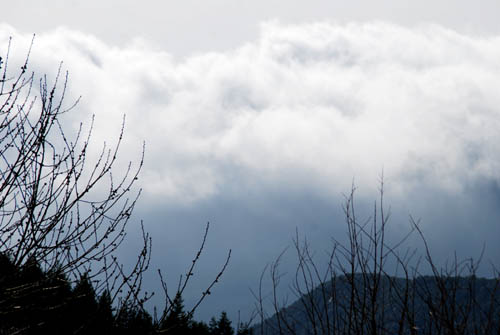
Average levels of precipitation also increase with altitude. When
air streams flow over mountain areas they are forced to rise
in altitude. Moist air is cooled, condensation
occurs and clouds form. Turbulent air currents
contribute to encouraging rainfall.
|
|
 Back to: Winds in the Languedoc. Back to: Winds in the Languedoc.
|

|
|
|
|